
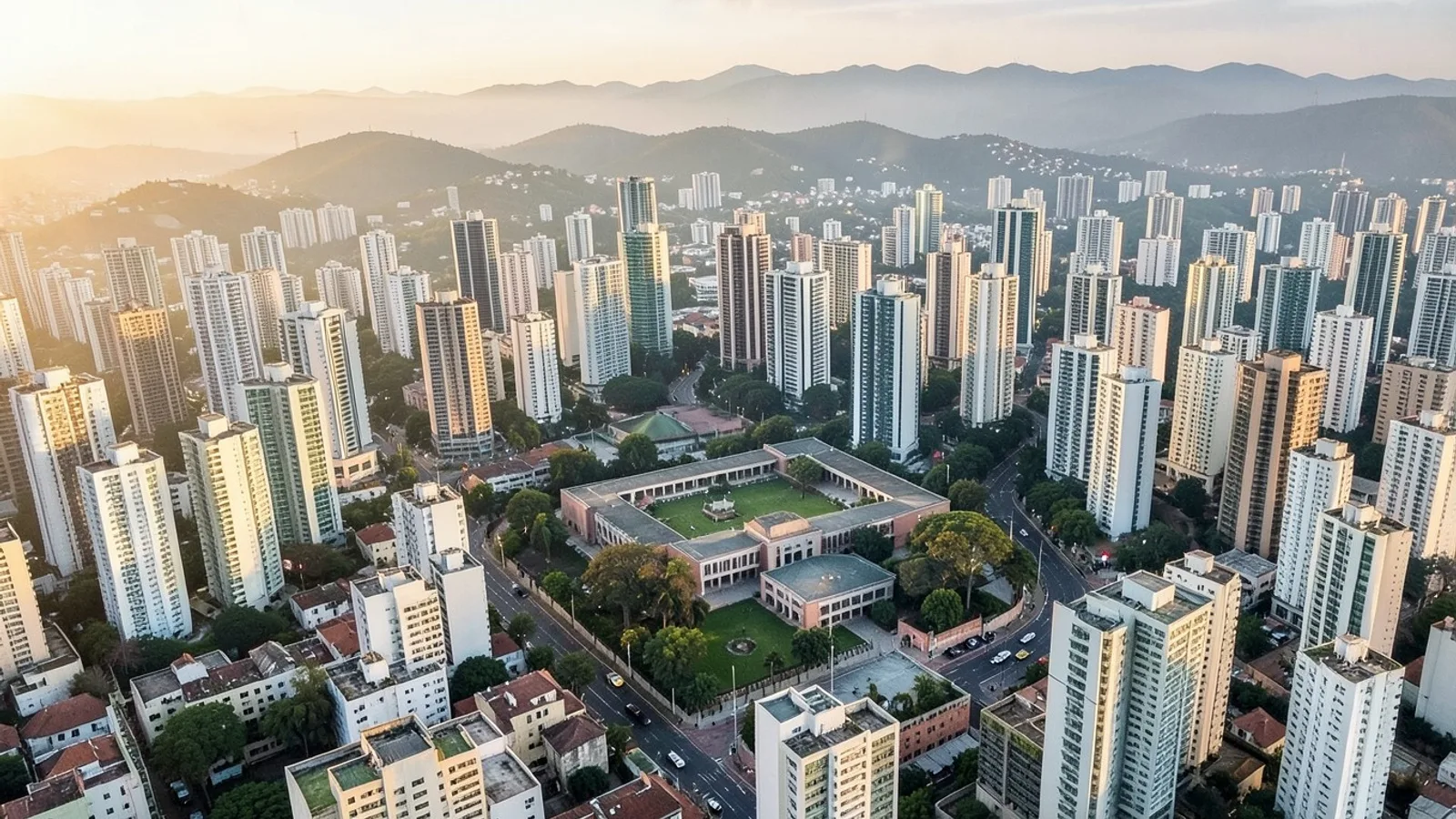
In Santo André, a city in the state of São Paulo with about 782,000 residents, a home is often a family's largest asset. That is why the question that comes up most is not "how do I win a case" but: what do I need to know before I sign, pay or collect? This is where a real estate lawyer comes in. This text organizes the question around the real sequence of a deal: what to look at first, where problems tend to arise and how to bring your case to a professional with your material in order. To start, you can describe your situation on the city page, free of charge and without logging in.
Where to start: the question that defines the type of help
Before looking for any professional, it is worth answering one simple question: has the deal already been closed or not? The answer changes almost everything.
- You haven't signed anything yet: the help is preventive. The lawyer reviews the draft contract, checks who is entitled to sell or rent and suggests clauses before any payment.
- You have already paid a deposit or signed: the priority is to understand what is written, what the penalties are and what can still be corrected.
- The problem has already happened: a delay, a default, unlawful occupation or a refusal to execute the deed. Here, evidence and deadlines matter.
People who search for property lawyer, real estate law attorney or lawyer specializing in real estate law are usually in one of these three situations. The wording of the search matters little; what matters is that the practice area published on the lawyer's page matches your problem.
What the law looks at in a property: title, possession and debts
Three ideas explain most real estate disputes.
Ownership is proven by registration, not by possession
Between living persons, ownership of a property is transferred by registering the title at the real estate registry office. Having the keys, living at the property or keeping a receipt does not make you the owner as far as third parties are concerned. Someone who buys with an informal "drawer contract" may later discover that the property is still in the previous owner's name and answers for that owner's debts.
The seller must have the right to sell
The real estate lawyer checks whether the name on the property registration is that of the person negotiating the sale, and whether there are heirs, an attorney-in-fact or a spouse whose signature is required. A missing required signature can open a dispute over the validity of the deal.
Some debts go with the property
Taxes such as the IPTU (municipal property tax) and, in condominiums, overdue fees can fall on whoever ends up with the property. For that reason, finding out about outstanding debts before paying is usually cheaper than resolving them afterward.
Checklist to review before paying a deposit
You can go through this list even before the first conversation. The real estate lawyer interprets what each item means in your case.
- Ask for an up-to-date property registration and check who the owner is and whether it shows a seizure, mortgage, fiduciary lien or other restrictions.
- Confirm any IPTU debts and other property charges with the municipality.
- Request a statement that condominium fees are paid up, if it is an apartment or a unit in a condominium.
- Search for lawsuits against the sellers in the State Court and the Federal Court, to identify enforcement actions that could reach the property.
- Compare what exists with what is approved: renovations and extensions that have not been regularized can cause problems later.
- Read the draft contract carefully and note what you did not understand: deadline for the deed, refund of amounts paid, penalties.
- Keep the entire conversation with the other party, including messages and advertisements.
Situations in which a real estate lawyer is usually called
Each situation calls for a different kind of care.
Buying a property off plan
Besides the contract, the Consumer Protection Code and the rules on real estate development apply. Late delivery, charges after the deadline and differences between what was promised and what was delivered are the most common issues. Keep the advertising, contract, receipts and messages.
Renting
The Tenancy Law (Law 8,245/1991) governs urban leases. The contract should make clear the term, rent adjustment, responsibility for repairs and inspection. The law does not allow more than one type of guarantee in the same contract. If the rent is late, the path usually begins with a demand for payment and an attempt at a settlement, and only afterward, if necessary, with an eviction action.
Commercial premises
If you run a business out of a rented property, pay close attention to the deadline for filing a lease renewal action, which generally falls between one year and six months before the contract ends. Missing that window can cost you the location where you built your clientele.
Property without a deed, inheritance and possession
When a property is not properly regularized, the real estate lawyer can assess, based on the documents, whether compulsory adjudication, adverse possession (usucapião) or probate is the right route. If someone interferes with your possession or takes it over, timing matters: photos, bills in your name, witnesses and documents help show that you possessed the property first.
Condominiums and neighbors
Overdue fees, fines, contested assemblies and boundary disputes between lots are also part of this area. Many of these issues begin with a formal notice and negotiation before any lawsuit is filed.
Santo André and neighboring cities: where the property is located makes a difference
The Greater ABC region is highly integrated. It is common to live in one city, work in another and buy or rent a property in a third. In actions concerning property rights over real estate, the venue is generally the place where the property is located, and certificates and registration follow the corresponding municipality and registry office. For that reason, always provide the exact address of the property.
- São Bernardo do Campo, 4.3 km away, and São Caetano do Sul, 4.7 km away: if you live in Santo André and are negotiating a property in either city, check the property registration and the debts in the municipality where the property is located, not those of the city where you live.
- Mauá, 7.8 km away, and Diadema, 8.9 km away: when buying a lot or a house, it is worth confirming which registry office holds the property's registration and whether any regularization is pending.
- Ribeirão Pires, 13.7 km away, and Rio Grande da Serra, 16.8 km away: attention usually focuses on land, possession and subdivision documentation.
- São Paulo, 16.3 km away: searches usually involve apartments, leases and condominiums, as well as developers headquartered there.
In every case, the real estate lawyer helps identify the competent venue and registry, so you don't have to guess.
Who decides, and what no one can promise
Lawsuits over real estate generally go through the State Court, within the Court of Justice of São Paulo. Less complex cases may proceed in the Small Claims Court, under Law 9,099/1995. The judge decides; the review of the title is up to the registry officer. For this reason, the Brazilian Bar Association prohibits promising a result, and being wary of anyone who guarantees a win is a good rule of thumb. Anyone who cannot afford a private lawyer can turn to the Public Defender's Office.
Useful questions for the first conversation
- Does the professional handle the kind of problem I have (purchase, rental, condominium, possession)?
- Which documents do they need in order to give an opinion?
- Will the work be a review, a negotiation, a notice, or a lawsuit?
- How will the fees be charged, and what is included?
- What outside expenses may arise, such as certificates, registry fees, and court costs?
Fees are agreed in writing with the lawyer before the work begins.
How to report your case through the app
You tell what happened in your own words, by voice or text, for free and without logging in. An assistant organizes your account into a case summary and takes you to real estate lawyers in your city. You choose who you want to talk to. The conversation is private, inside the app, and only moves forward when both sides accept; your personal data is not exposed before then. Each lawyer publishes a page with their areas of practice and answers consultation requests through the platform.
If the property is tied to other issues, such as separation, inheritance, or termination of employment, you can also check the pages for a family lawyer and a labor lawyer.
If you need to review a draft contract, understand a rental agreement, regularize a property, or defend your possession in Santo André or the neighboring cities, describe the situation on the city page and talk privately with a real estate lawyer, with no promise of results.
Santo André and surroundings
Lawyers who practise in Santo André also take cases from nearby cities.
How it works
- Tell the case
By voice or text, no sign-in. It takes a few minutes.
- The assistant organises it
Facts, dates and documents become a clear summary.
- You choose the lawyer
Professionals who practise in Santo André, in alphabetical order.
Legalocal does not recommend or rank professionals: the list follows alphabetical order.
Frequently asked questions about Santo André
When should I look for a real estate lawyer in Santo André?
The best time is before paying a deposit or signing any contract. It is also worth seeking help if a construction delivery is late, rent is overdue, there is a dispute over possession or a property has no deed. In a city of about 782,000 inhabitants, these situations are common, and an initial conversation helps you understand risks and deadlines before deciding.
Is a property lawyer the same as a lawyer specialising in real estate law?
In practice, they are different ways of searching for the professional who handles purchase, sale, leasing, condominiums and possession. Searches such as "property law attorney" also appear. What matters is the practice area published on each lawyer's page, and in the app you choose who to talk to.
Can I hire a lawyer in Santo André for a property in another city?
Yes, you can talk to one. Many people live in one municipality and negotiate property in another: São Bernardo do Campo is 4.3 km away, São Caetano do Sul 4.7 km and Mauá 7.8 km. State in your account where the property is located, because this helps the lawyer indicate where to request certificates, where to register and which court may have jurisdiction.
Which documents should I gather before the first conversation about a property?
Gather the contract or draft, receipts, the property title record if you have it, proof of payment, property tax and condominium bills, and messages exchanged with the other party. If the property is in Diadema, 8.9 km away, or in São Paulo, 16.3 km away, note the exact address. If something is missing, start with your account and complete it later.
How does contacting a lawyer through the app work?
You tell what happened in your own words, by voice or text, for free and without logging in. An assistant organises your account into a case summary and takes you to lawyers in this field in your city. The conversation is private, inside the app, and only moves forward when both sides accept, without exposing your data before that.
How are fees agreed, and can the lawyer guarantee the result?
Fees are agreed in writing with the lawyer before the work begins. No lawyer can promise a guaranteed result, because the decision belongs to whoever judges the case or to the registry officer. Anyone who cannot afford a private lawyer can turn to the Public Defender's Office.